

Nature Health Global announces a new collaborative project “Red Flags in Green Spaces: Understanding the risk of tick bite exposure together” to tackle the urgent and growing threat of tick-borne diseases in the Northeastern US. This work combines scientific research, community action, and land stewardship, and represents a collaboration between NHG and two land trusts – the Mohonk Preserve and Mianus River Gorge.

View of the Mohonk Preserve and the Shawangunk Ridge. Credit: https://www.njhiking.com/
Land trusts are community-based, nonprofit organizations that actively work to permanently conserve land either by acquiring land outright or partnering conserve land that remains the property of willing landowners. The Mohonk Preserve has been actively conserving land for 60 years in the mid-Hudson region of New York State that encompasses the world-renowned Shawangunk Mountains (the ‘gunks) and was once an estate attached to the historic Mohonk Mountain House.
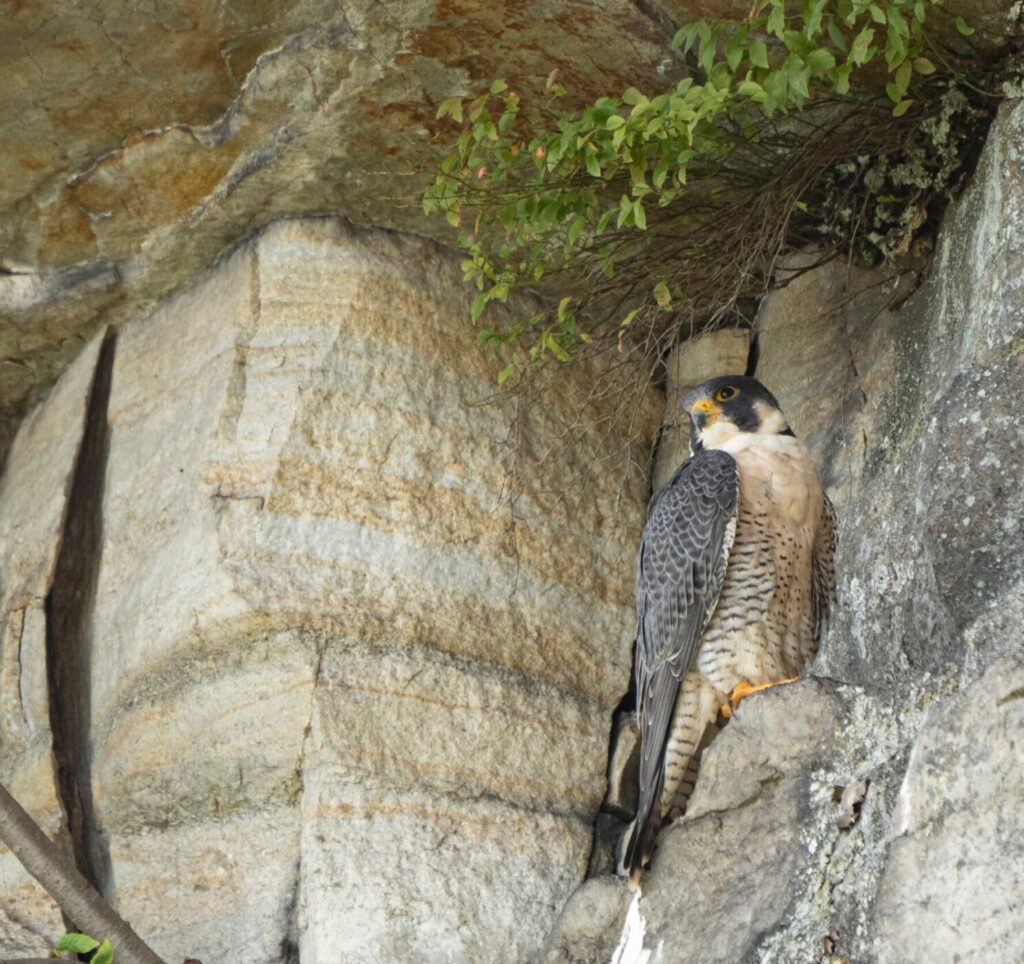
A conservation success story, the return of peregrine falcons to the Shawangunk Ridge is a lesson in how humans and nature can co-exist. Each year, peregrines pick sites to nest directly on the ridge leading to some well-known climbing routes being temporaritly closed. Climbers carefully avoid these sites to reduce stress for the breeding birds. In 2025, four pairs were nesting while we began our fieldwork. Credit: Chris Vultaggio, https://57hours.com/review/the-gunks-climbing/

The Gunks (Shawangunk Ridge) are a world-renowned climbing site that overlooks the Mohonk Preserve. The rock is a rare, hard conglomerate with horizontal fractures that draw the world’s best climbers to the region. The climber is Marjana Tafader on High Exposure, 5.6. Photo Credit: https://www.instagram.com/chris_vultaggio/ from 57hours.com

Climber on the Gunks. Justin Venezia on Cascading Crystal Kaleidoscope, 5.7, third pitch. Photo Credit: Chris Vultaggio https://www.instagram.com/chris_vultaggio/ from 57hours.com
The Mianus River Gorge is nature preserve in Bedford New York that has managed the Mianus River watershed since 1953. This work is supported with funding from the New York State Conservation Partnership Program (NYSCPP) and New York’s Environmental Protection Fund. The NYSCPP is administered by the Land Trust Alliance, in coordination with the state Department of Environmental Conservation. The Land Trust Alliance is a conservation organization that empowers and mobilizes land trusts in communities across America to conserve land — and connect people to the land — for the benefit of all.
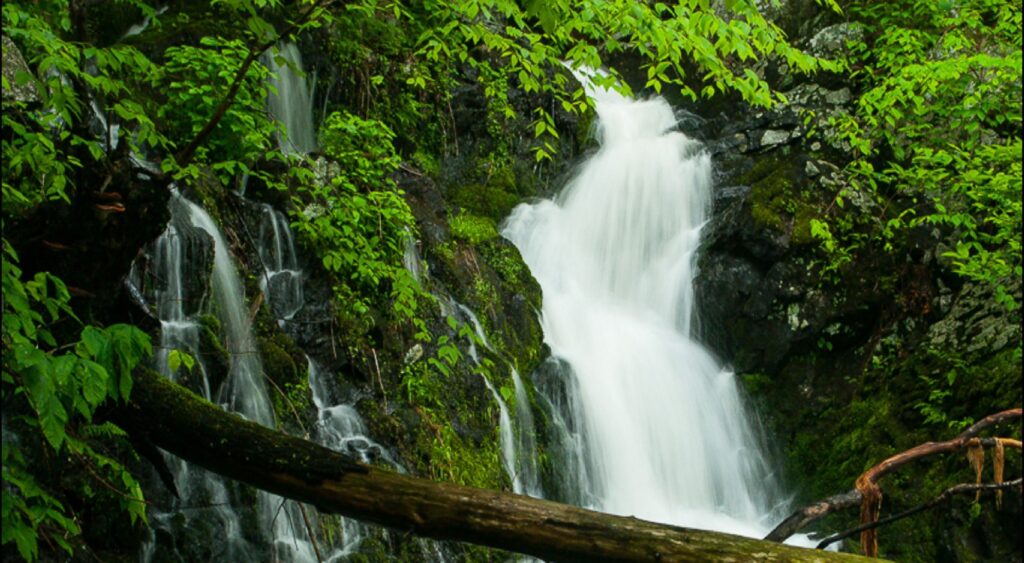
Havenmeyer Falls in the Mianus River Gorge Preserve. Credit: https://www.nature.org/

Steps in the trail leading to the Mianus River Gorge. Photo credit Rod Christie, https://www.scenichudson.org/
The project addresses an important challenge – as native and invasive ticks spread and new health risks emerge, understanding where and why exposure happens has never been more critical. The goals are to engage community members—park visitors, volunteers, and residents—in co-designing and leading tick sampling events across nature preserves. This hands-on approach not only fills critical data gaps in surveillance but also aims to build local ownership of health outcomes. By uncovering the ecological drivers of tick hotspots and testing whether land management can reduce risk, this pilot will lay the foundation for a larger effort to create fine-scale tick risk maps and practical tools to help people enjoy the outdoors more safely.
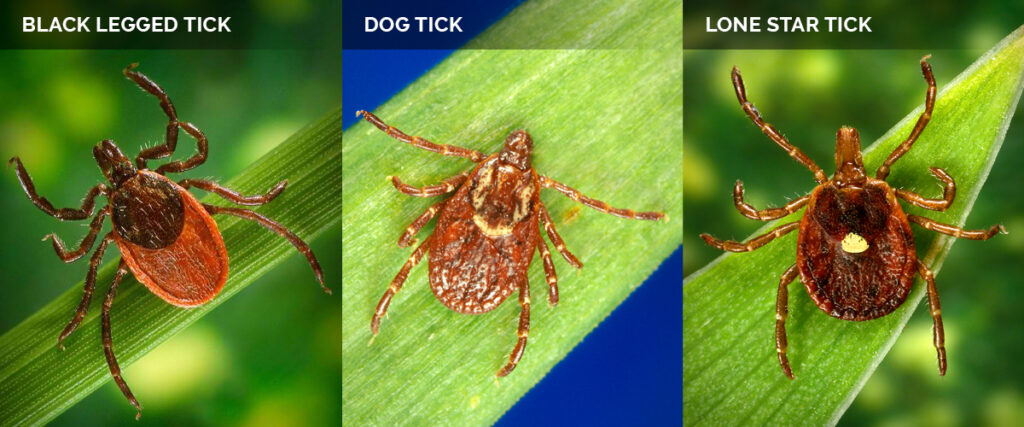
Three commonly-encountered ticks in the Northeast USA. The black-legged tick is also known as the deer tick, Ixodes scapularis. Credit: https://healthmatters.nyp.org/guide-to-three-common-ticks-in-northeast/
Both Mohonk Preserve and Mianus River Gorge actively manage deer populations to help foster forest recovery, and this includes deer exclusion at specific sites. Understanding if and how these actions affect tick population could help manage forests for healthier outcomes in future. Ultimately the project aims to support safer, more informed engagement with nature while protecting both human health and the ecosystems we value.
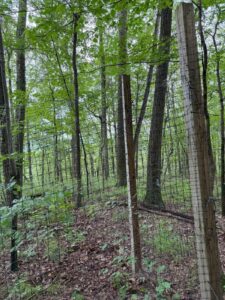
Deer exclosure at Mohonk Preserve. Note the recovering vegetation due to the reduced grazing within the fence.
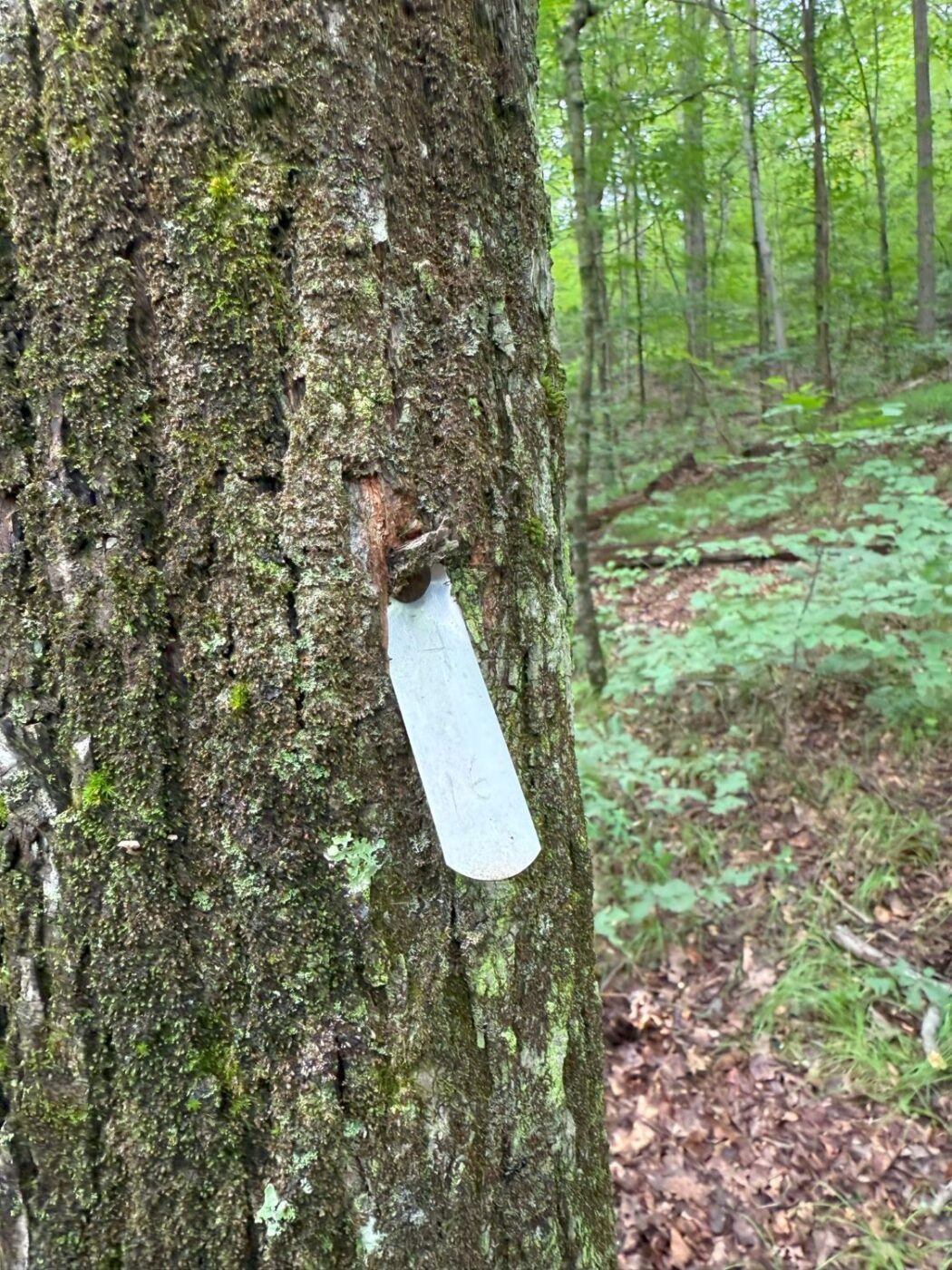
All trees, from saplings to full size are marked within deer exclosures. Mohonk Preserve.

Recovering vegetation within a deer exclosure, Mohonk Preserve. A sapling eastern red cedar and seedling red spruce.
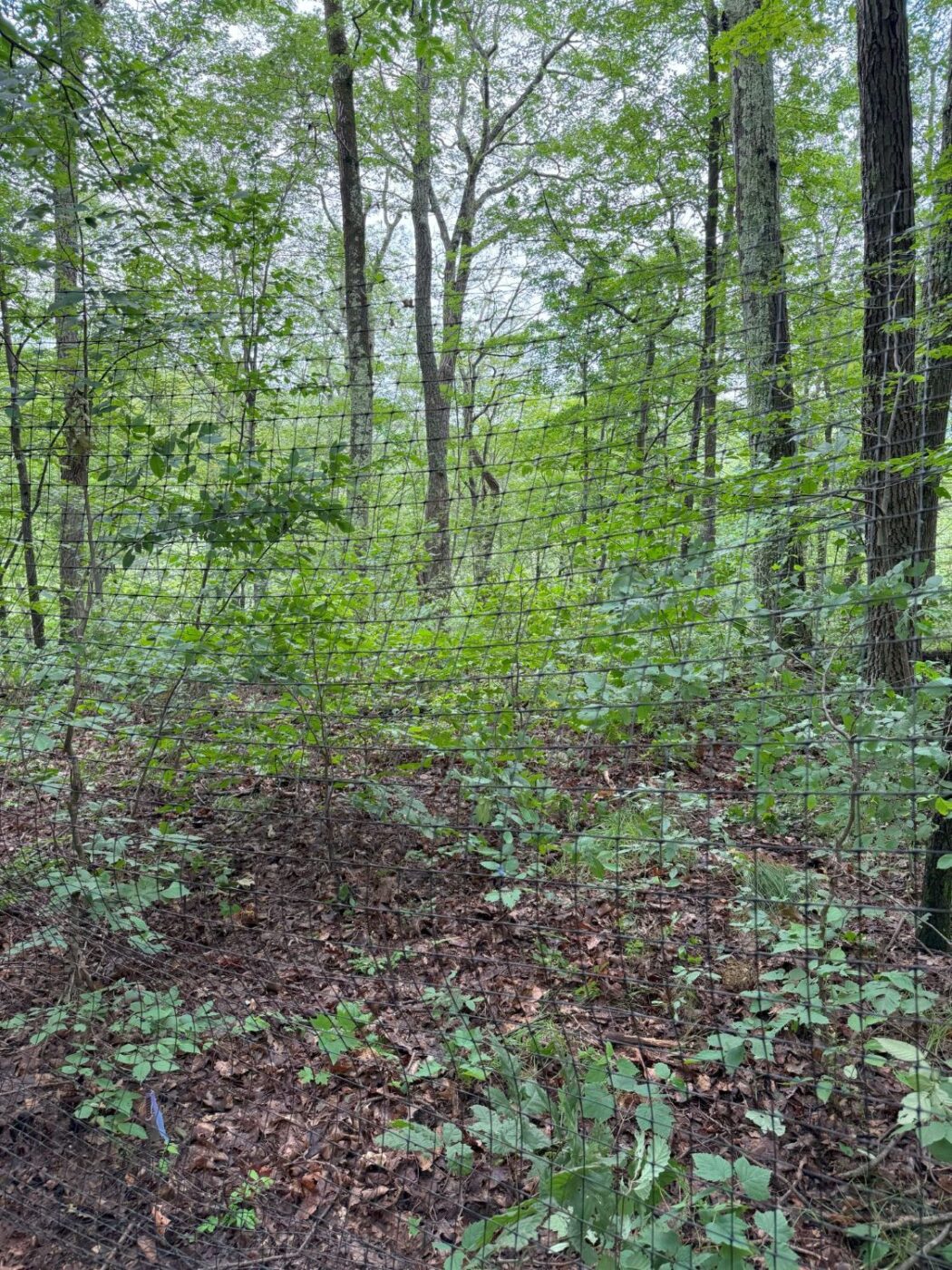
Regenerating forest within a deer exclosure, Mohonk Preserve.
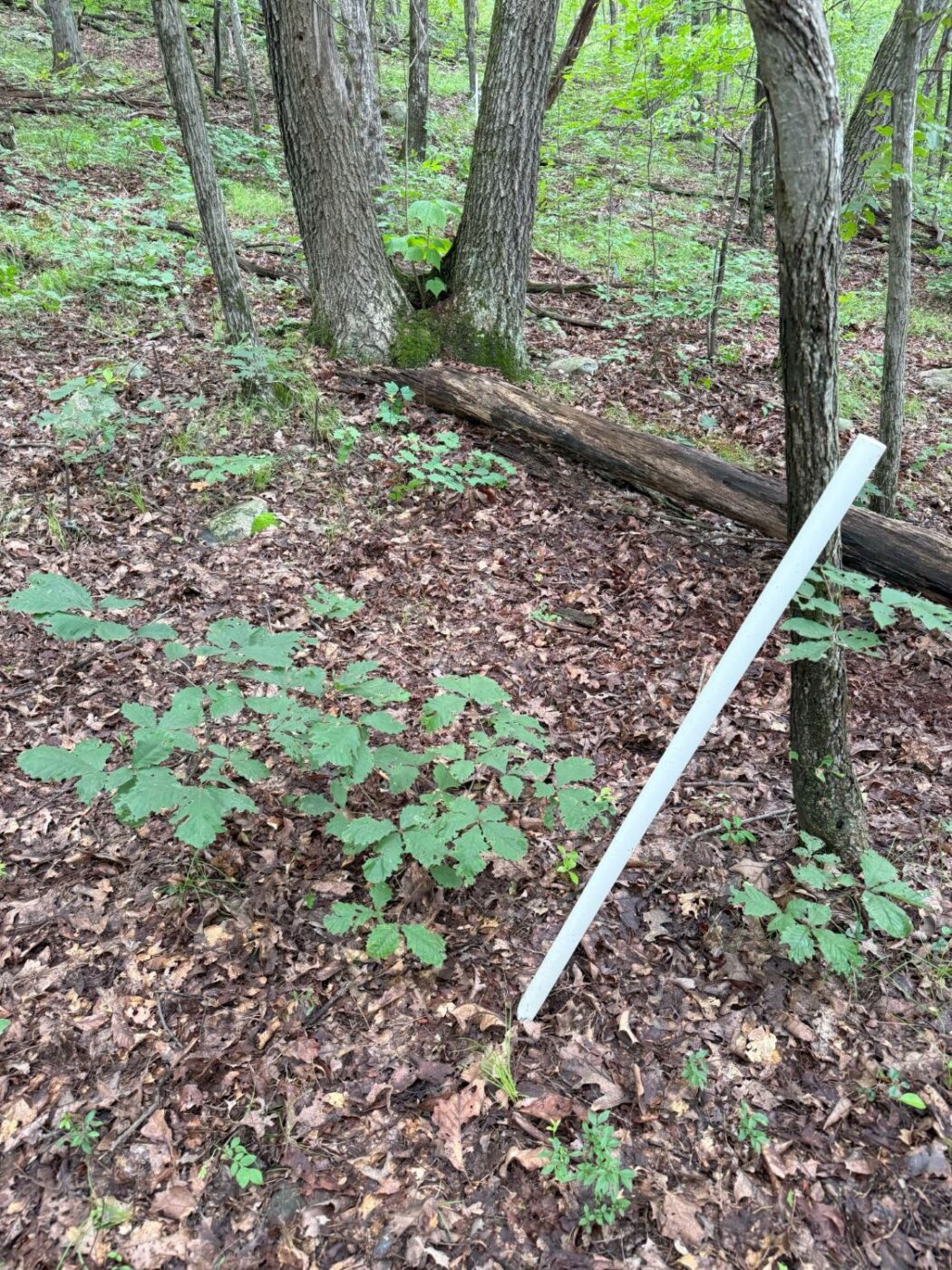
Each 10 meter x 10 meter exclosure has a parallel control site that’s unfenced to monitor changes to vegetation. Note the higher grazing level, and lower regeneration in this unfenced control site compared to the exclosures.
The pilot project has already begun with community sessions at both sites, and field sampling efforts. In these sessions, the project was introduced, its goals explained, and critical feedback from volunteers was invited on aims, methods and study design. These sessions also offered a platform for community members to share their own experiences with ticks, helping to strengthen trust and integrate local knowledge into the project. Mohonk Preserve Associate Director of Conservation & Research Dr. Megan Napoli, Associate Director of Development & Grants Eric Roth, and Mianus River Gorge Director of Research & Education Dr. Chris Nagy and Communications & Grants Manager Kristan Winters introduced us all to the diversity of habitat types, management strategies, and history of each site, and helped set the scene for a discussion about optimal sample design. NHG scientist and project lead Dr. Nichar Gregory, who has published numerous papers on ticks and their diseases went through the rationale for the project, its objectives and methods, and gave some pretty eye-opening facts about ticks, land use, climate change and disease.
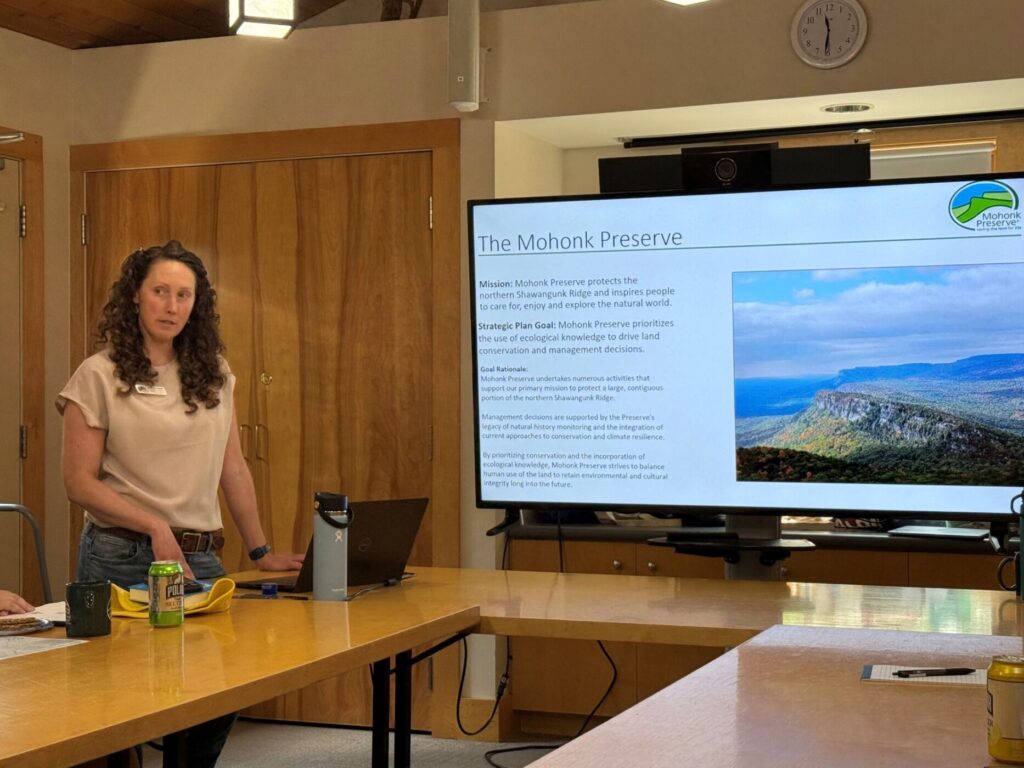
Dr. Megan Napoli, Assoc. Director of Conservation Science & Research at the Mohonk Preserve talks to project volunteers about the goals of the work, prior to field sampling.
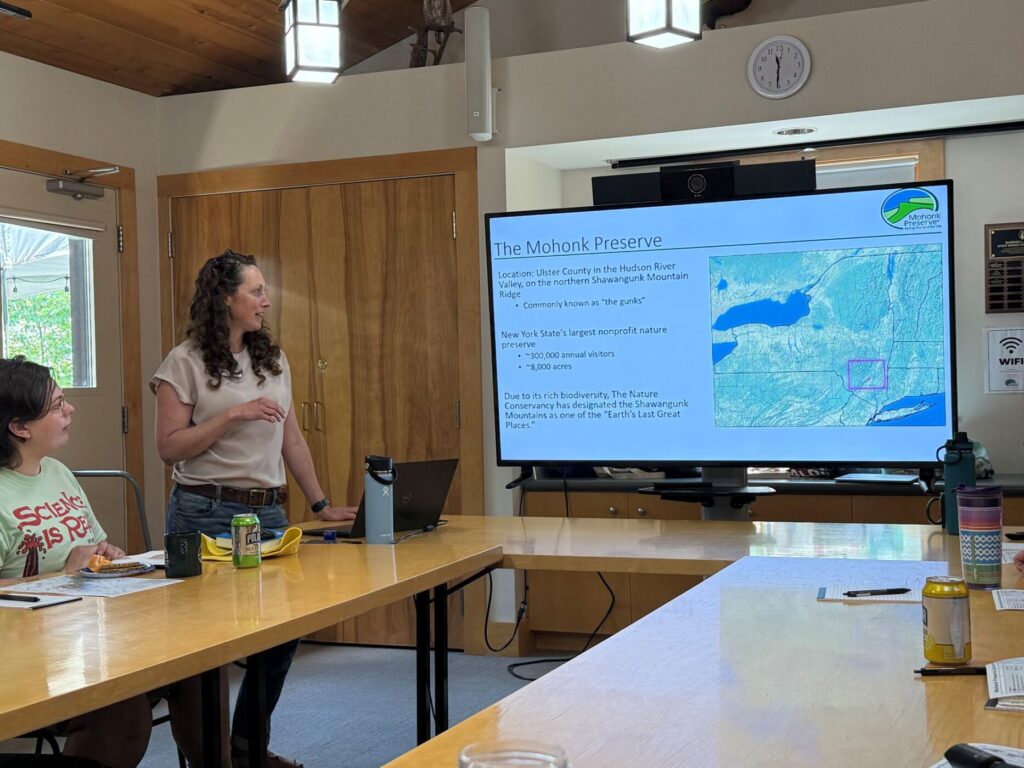
Dr. Megan Napoli gives our volunteers the lay out of the land prior to field sampling.
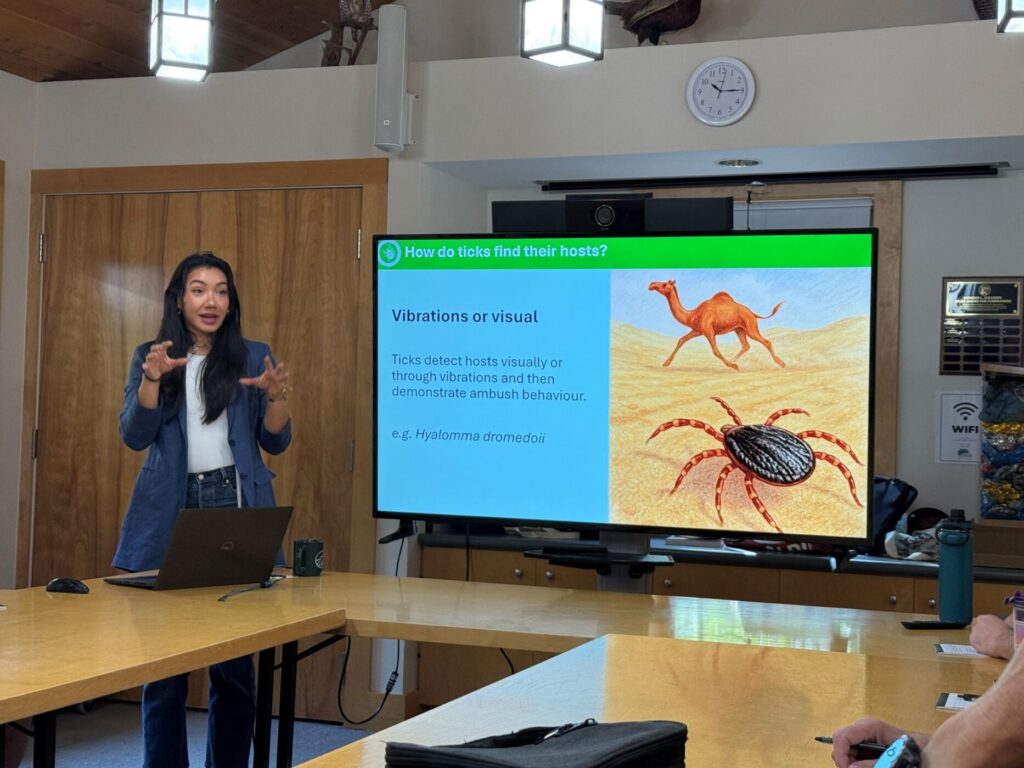
Dr. Nichar Gregory from Nature Health Global talks to our volunteers about the different strategies ticks use to target hosts. This African tick species, Hyalomma dromedarii, carries African horse sickness and Crimean-Congo Haemorrhagic fever, and is drawn to vibrations from hosts (equids and camelids) as they move.
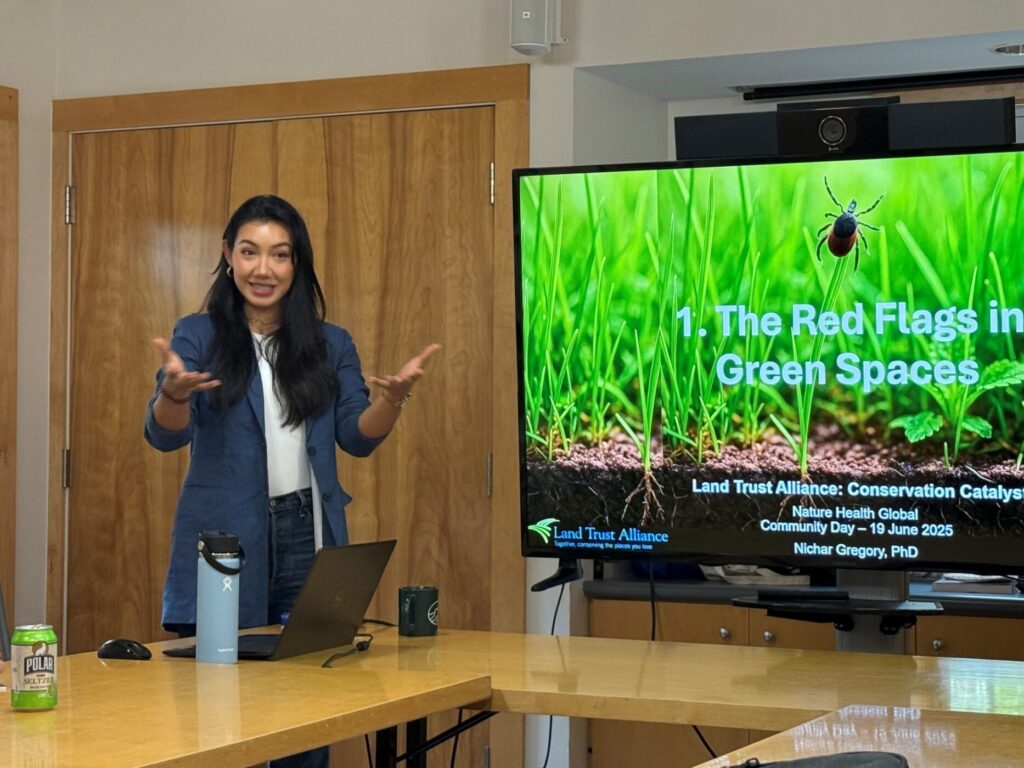
Dr. Nichar Gregory from Nature Health Global reviews the projects goals and methods with volunteers.
On sampling days, volunteers gathered at land trust headquarters, split into teams, and were assigned transects via GPS. Equipped with tick drags and collection materials, and supervised by NHG and Land Trust staff, volunteers then conducted the tick collection work. In the coming days, Dr. Gregory will conduct training sessions on tick identification, and the data produced will be displayed on an interactive dashboard developed by data scientist Dr Nate Layman. Fine-scale vegetation data, open-source satellite imagery, and existing ecological datasets from the preserves will enhance our understanding of the environmental drivers shaping tick distribution.

Volunteers duck under the netting to enter a deer exclosure, Mohonk Preserve, to start a tick drag transect.

Project volunteer and Mohonk Preserve Education staff member conducting a tick drag along the side of a carriageway at Mohonk Preserve. The 1 meter-square material has a rough surface that is dragged along a 10 meter transect. The white color makes ticks easier to find.

One of our volunteers getting ready to conduct a tick drag transect along the side of a carriageway at Mohonk Preserve.

Project co-lead Dr. Nichar Gregory demonstrates how tick dragging is conducted for our volunteers.

Dr. Nichar Gregory demonstrating tick dragging at the Mohonk Preserve Visitor’s Center.

A dog tick, Dermacentor variabilis, with its ornamented scutum, found during our tick dragging at Mohonk Preserve.

A deer tick, Ixodes scapularis, captured as it moves across the tick dragging material at Mohonk Preserve.
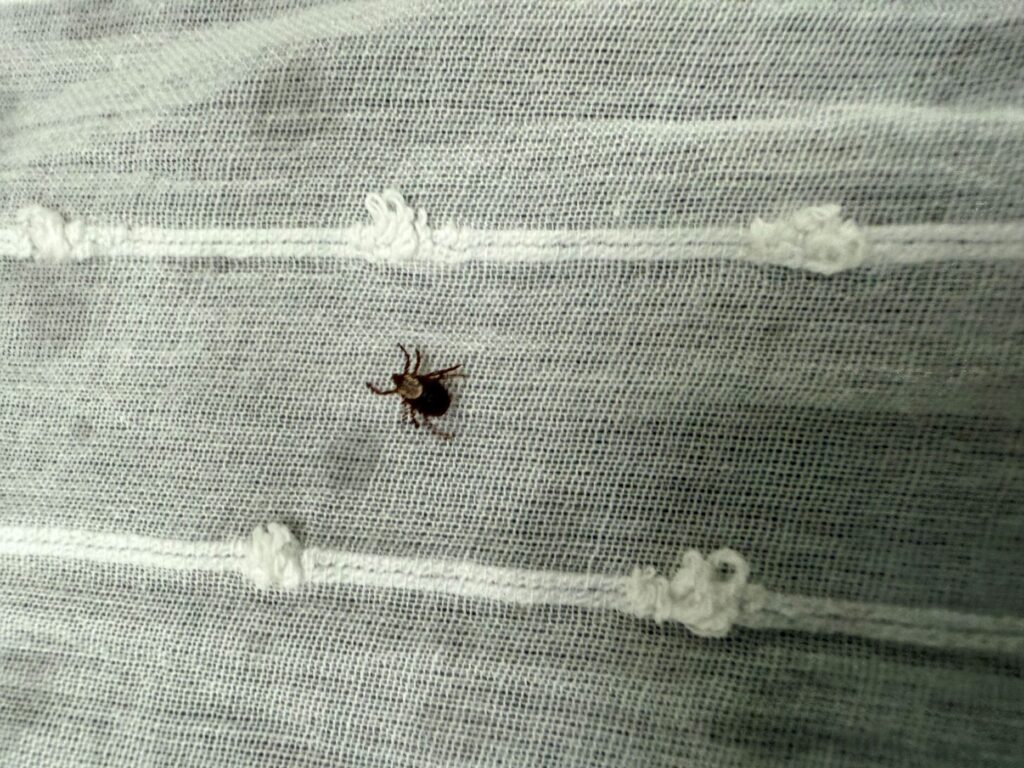
A dog tick, Dermacentor variabilis, at Mohonk Preserve.
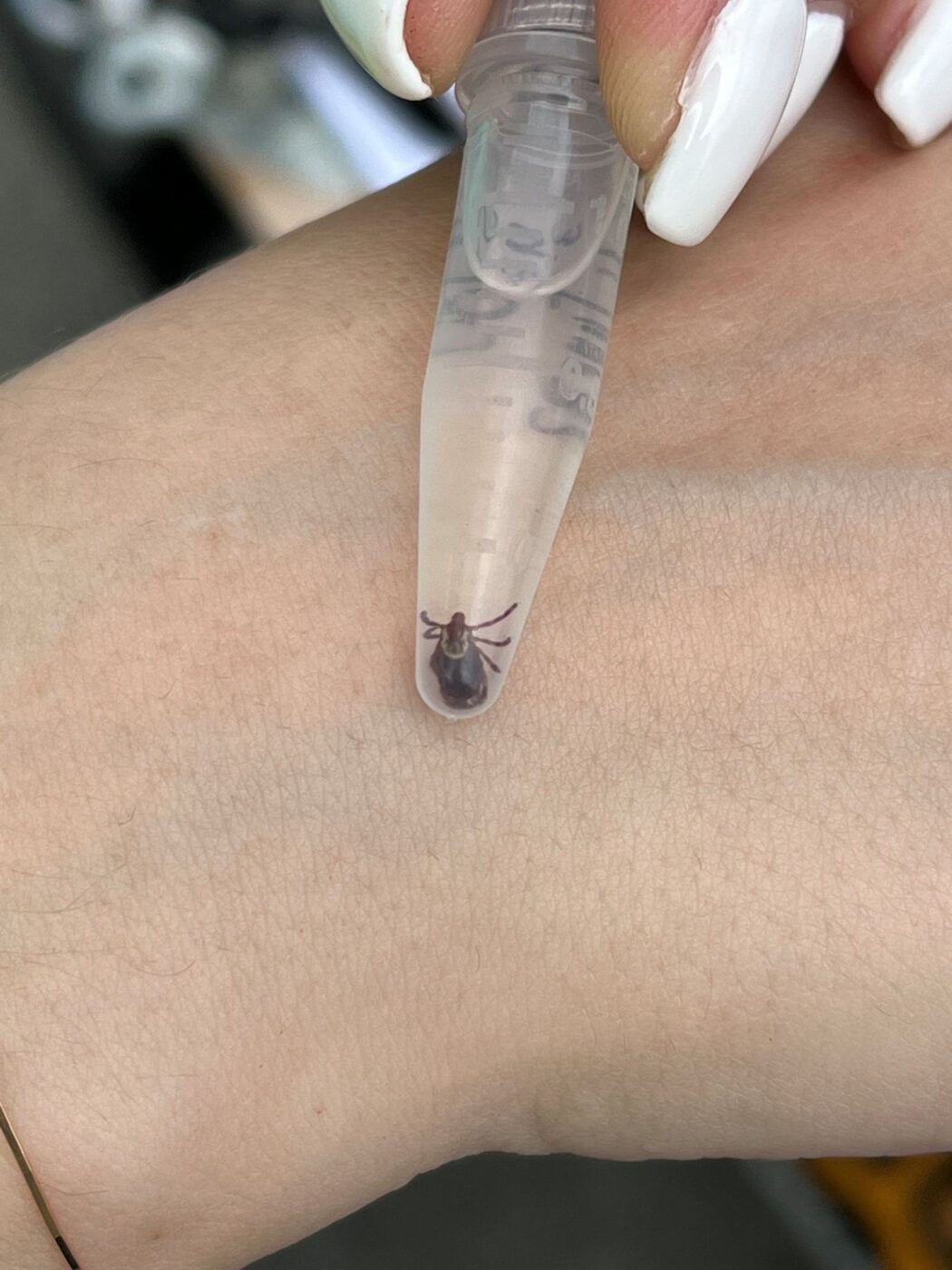
After capture, ticks are preserved in 70% ethanol for further identification by volunteers at the Mianus River Gorge Preserve, under the direction of Dr. Chris Nagy working with Dr. Nichar Gregory.
The next steps for this project include expanding the community of practice established during the pilot by continuing to engage volunteers, land stewards, and local stakeholders in collaborative tick surveillance and ecological research. Building on the relationships and insights gained, we aim to secure additional funding to support a larger-scale initiative that enables longer-term sampling across multiple seasons and sites. This expanded project will allow for a deeper investigation into the environmental and management factors driving local tick distribution over time and will strengthen our capacity to develop fine-scale risk maps and practical strategies that promote safe, informed engagement with natural spaces.
Images from our field sites

The road from the I-87 New York Thruway to the Mohonk Preserve provides outstanding views of the Shawangunk Ridge in the morning sun

An American hophornbeam, Ostrya virginiana, at Mohonk Preserve.

Spotted wintergreen, Chimaphila maculata, grows in patches on the forest floor, Mohonk Preserve.

Jellied false coral fungus, Sebacina schweinitzii, on the forest floor, Mohonk Preserve, late June

Jellied false coral fungus, Sebacina schweinitzii, at Mohonk Preserve, late June.

Spotted wintergreen, Chimaphila maculata, close up of fruits.

Common self-heal, Prunella vulgaris, at Mohonk Preserve, along the carriage ways.

Bear corn, or American cancer-root, Conopholis americana, a plant that lacks chlorophyll and therefore can’t photosynthesize. It obtains its nutrients by parasitizing the roots of deciduous trees. Common throughout the northeastern forests. A remarkable species and a surprising find when you first encounter it.
Acknowledgements
NHG, Mohonk Preserve, and Mianus River Gorge, Inc. would like to thank the Land Trust Alliance Conservation Catalyst program for funding this work, and the many volunteers who are involved in the project. Some of the images featured in this post were downloaded from 57hours
For further information:
On ticks and Lyme disease – A gold-standard resource for information on Lyme disease is the Centers for Disease Control and Prevention website
For more information on this project, and to contact Nature Health Global staff, please email [email protected]
Details about the field sites in our study can be found on the following websites: Mohonk Preserve and the Mianus River Gorge